
By Barbara Boese, Community Resource Manager, Claymont Community Center
At Claymont Community Center’s Community Market & Garden, we’re getting ready for the change of seasons, too. As we harvest the last of our summer produce, prepare our garden beds for cooler weather, and think about what we can grow next, we thought it was a perfect time to share some of the tips we’re putting into practice right here in our own garden.
As summer winds down and the days begin to get shorter, it’s a great time to give your garden a little attention. September is a transition month in the garden – you may still be harvesting tomatoes and peppers while also thinking about cooler weather ahead.
Here are a few ways to make the most of what’s left of your summer garden and get ready for the next season.
Clean Up – but Don’t Clear Everything Out
Start by removing plants that have finished producing, especially any that show signs of disease.
Healthy plant material can be added to your compost pile, while diseased plants are generally better disposed of rather than composted. Clip healthy plants into smaller pieces and compost them to feed your beds in the following season.
Pull weeds before they go to seed, gather fallen or damaged produce, and remove any garden debris that could provide a winter home for pests. But don’t feel like your garden has to be perfectly bare. Some flowers and seed heads can provide food and habitat for birds and beneficial insects through the colder months.
Preserve Some of Your Harvest
If your garden produced more than you can eat right away, preserving your harvest is a great way to enjoy it long after summer is over. Tomatoes can become sauces and salsas, cucumbers can become pickles, and many fruits can be turned into jams and preserves. Freezing is another easy option for vegetables such as peppers, green beans, and herbs.
If you’re new to canning, food safety is important. Always use a current, tested recipe from a reliable source such as the USDA or your Cooperative Extension office and of course the old standard of Better Homes & Gardens Cookbook. Canning methods and processing times vary depending on the food, so this isn’t the place to improvise with a family recipe or guess at processing times. Canning is a science. But there is nothing like opening a jar of tomatoes to take you back to summer on a cold winter’s day.
And remember: you don’t have to preserve everything. Sharing extra produce with a neighbor, friend, or local food program like ours is another wonderful way to make sure your harvest doesn’t go to waste. I have so much joy sharing my harvest with others. It is a delightful way to connect with neighbors.
Yes, You Can Grow a Winter Garden!
Summer may be ending, but that doesn’t mean gardening season is over. Many cool-weather crops actually prefer the cooler temperatures of fall. Some crops just don’t prefer summer.
Depending on when you plant and the weather, consider trying:
- Leafy greens: spinach, kale, lettuce, arugula, and Swiss chard
- Root vegetables: radishes, carrots, turnips, scallions and beets
- Other cool-season favorites: peas, broccoli, cabbage, kohlrabi and collard greens
- Garlic: planted in the fall for a harvest next year
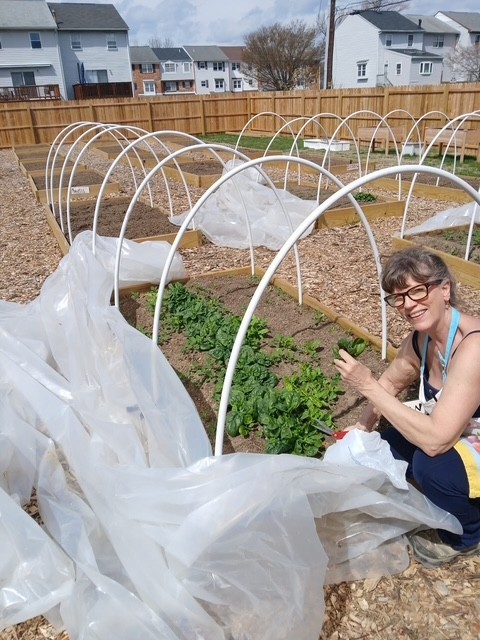
As temperatures drop, simple season extenders such as row covers or cold frames can help protect plants from frost and keep some crops growing longer. But don’t forget they still need watering and weeding, just not quite so often.
Give Your Soil Some Attention
Fall is also a good time to take care of the soil that took care of your plants all summer. Add finished compost to replenish organic matter and nutrients or consider planting a cover crop (like clover) to protect bare soil over the winter. But simply composting and have a plan to rotate crops in your beds to build the soil.
You can also use fallen leaves as a resource. Shredded leaves make excellent mulch and can help protect the soil, retain moisture, and add organic matter as they break down. Rain and snow will work to help Nature create the leaf litter compost.
A Garden Is Always Preparing for What’s Next
Closing out the summer garden isn’t really an ending. It’s part of the garden’s natural cycle—and an opportunity to prepare for what comes next. My sister-in-law and I look forward to going through seed catalogs over the winter in anticipation of next year’s planting.
Whether you’re preserving the last tomatoes, planting a row of spinach, adding leaves to your compost, or simply cleaning up and planning for spring, a little work now can make a big difference in the months ahead.
From all of us at the Community Market & Garden, happy gardening—and here’s to year-round growing!